
North Charleston Starter-Home Strategy: How to Win Without Overpaying
Starter-home shopping in North Charleston can feel like trying to board a moving train: listings hit, showings fill up, and the best options often go under contract fast. The good news is you don't need to "throw money at the problem" to get a solid home. What you do need is a strategy that respects your budget, anticipates competition, and focuses on the handful of moves that actually change outcomes. Below is a practical playbook The Shawn Cleary Team uses to help buyers win with confidence—without waking up to immediate buyer's remorse.
Step 1: Define "starter home" by lifestyle, not just price
Before you look at a single listing, get specific about how you'll live in the home for the next 3–7 years. In North Charleston, the best value often comes from aligning your must-haves with the area's day-to-day reality: commute routes to major employers, access to parks and community spaces, and the difference between a quiet residential pocket and a higher-traffic corridor. A "starter" might be a compact single-family home with a usable yard, or a low-maintenance townhome that keeps monthly costs predictable.
Try this quick filter: choose three non-negotiables (for example: single-story layout, dedicated workspace, and a fenced yard) and three flexible preferences (like updated flooring, a larger lot, or a certain exterior style). This keeps you from overbidding on cosmetic upgrades while missing the bones—layout, location, and long-term comfort—that drive real satisfaction.

It also helps to picture a normal Tuesday, not just an open-house Saturday. Where will you park? Where do guests go? Is there shade in the yard? Does the street feel comfortable at different times of day? In a competitive market, buyers often chase the most photogenic listing, but livability is what makes a home feel like a win six months later.
If you're working with a tight budget, remember that monthly payment is the true constraint. Taxes, insurance, HOA dues (if any), and expected repairs can swing affordability more than a slightly higher purchase price. A home that's $10,000 cheaper but needs a roof soon is not a bargain—it's a delayed bill.
Step 2: Get financing strong enough to compete—without maxing out
The most common way buyers overpay is by bidding high because their offer doesn't feel strong in other ways. A clean financing package lets you be competitive on terms, not just price. That means getting fully pre-approved (not just pre-qualified), understanding your cash-to-close, and deciding your comfort level on appraisal risk before you fall in love with a property.
What "strong" looks like:
- Local lender communication that can keep pace with listing agents and underwriting timelines.
- Proof of funds for down payment and closing costs, organized and ready.
- A clear ceiling for your offer price based on payment, not emotion.
- A plan for appraisal gaps (even if that plan is "we won't cover one").
One of the smartest budget-protection moves is setting a hard walk-away number. If the home needs repairs, your monthly payment is already going to "rise" through maintenance, tools, and upgrades. Protecting your cash reserves is part of protecting your peace of mind.
Step 3: Use offer terms as your leverage (so price isn't your only weapon)
In North Charleston, many winning offers succeed because they reduce uncertainty for the seller. That can mean a faster closing, flexible possession, or a clear inspection plan. None of those require you to overpay—they require clarity. The goal is to show you're decisive and reliable, while still protecting yourself.
Terms that often help without inflating price:
- Shorter due diligence windows when appropriate, paired with quick scheduling for inspections.
- Reasonable repair approach (focus on health, safety, and major systems rather than cosmetic lists).
- Flexible closing date that matches the seller's next step.
- Higher earnest money (only if it's safe for you and properly structured in the contract).
Be cautious with waiving inspections. A starter home can be an excellent investment, but hidden issues can erase any "deal" fast. Instead, structure your inspection to be efficient: book the inspector immediately, ask for big-ticket items (roof, HVAC, plumbing, electrical), and let the smaller projects be part of your personal upgrade timeline.
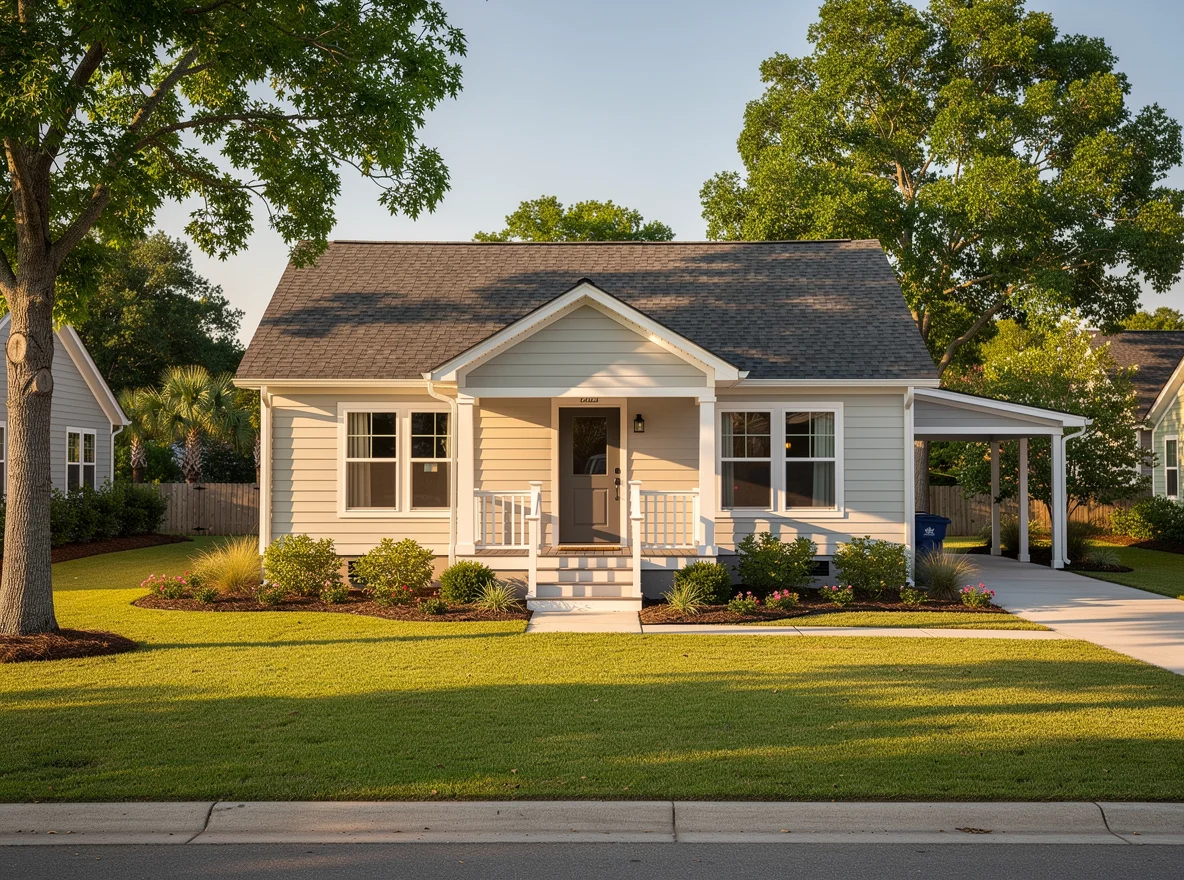
Another often-overlooked lever is choosing the right property type for the moment. A move-in-ready home with trendy finishes will attract the biggest crowd. Meanwhile, a well-maintained home that's simply dated—older cabinets, original light fixtures, basic landscaping—can be less competitive while offering the same fundamentals: safe systems, functional layout, and good proximity to everyday needs. Paint and fixtures are cheaper than bidding wars.
When you evaluate a "needs work" listing, separate projects from problems. Projects are cosmetic and manageable over time. Problems are structural, water intrusion, foundation movement, or failing major systems. The Shawn Cleary Team can help you identify which category you're really looking at so you don't overreact to superficial flaws—or underestimate costly ones.
Step 4: Shop smarter by tracking price signals, not asking prices
Asking price is a marketing number; value is a pattern. To avoid overpaying, focus on what comparable homes actually closed for, how long they took to sell, and whether they needed concessions. In fast-moving pockets, the "right" offer might be near the top of the range immediately. In others, you may have room to negotiate—especially if a listing has been sitting and the seller has already reduced the price.
Price signals worth watching:
- Days on market relative to the neighborhood norm.
- Price reductions (how many, and how recently).
- Condition vs. competition (is it truly better, or just staged better?).
- Concessions (credits for closing costs, repairs, or rate buydowns).
If interest rates are a concern, consider negotiating for a rate buydown or closing-cost credit instead of paying more on the price. That can lower your payment right away and preserve cash for the first year of homeownership—when you'll likely buy furniture, tackle small repairs, and learn what the home truly needs.
Step 5: Choose neighborhoods and amenities that support resale
Starter homes often become stepping-stones, and resale matters even if you plan to stay longer. Favor locations with stable demand drivers: access to major routes, everyday conveniences, and community amenities like parks, greenways, and recreation options. Schools and school zones can also influence demand, so it's smart to consider how those factors affect future buyers—especially if your home could appeal to multiple household types.
In practical terms, look for the combination of good bones + good location + manageable monthly costs. Those three tend to outperform trendy finishes when the market shifts. And if you find a home that checks two of the three, you can often create the third through smart improvements or better financing structure.
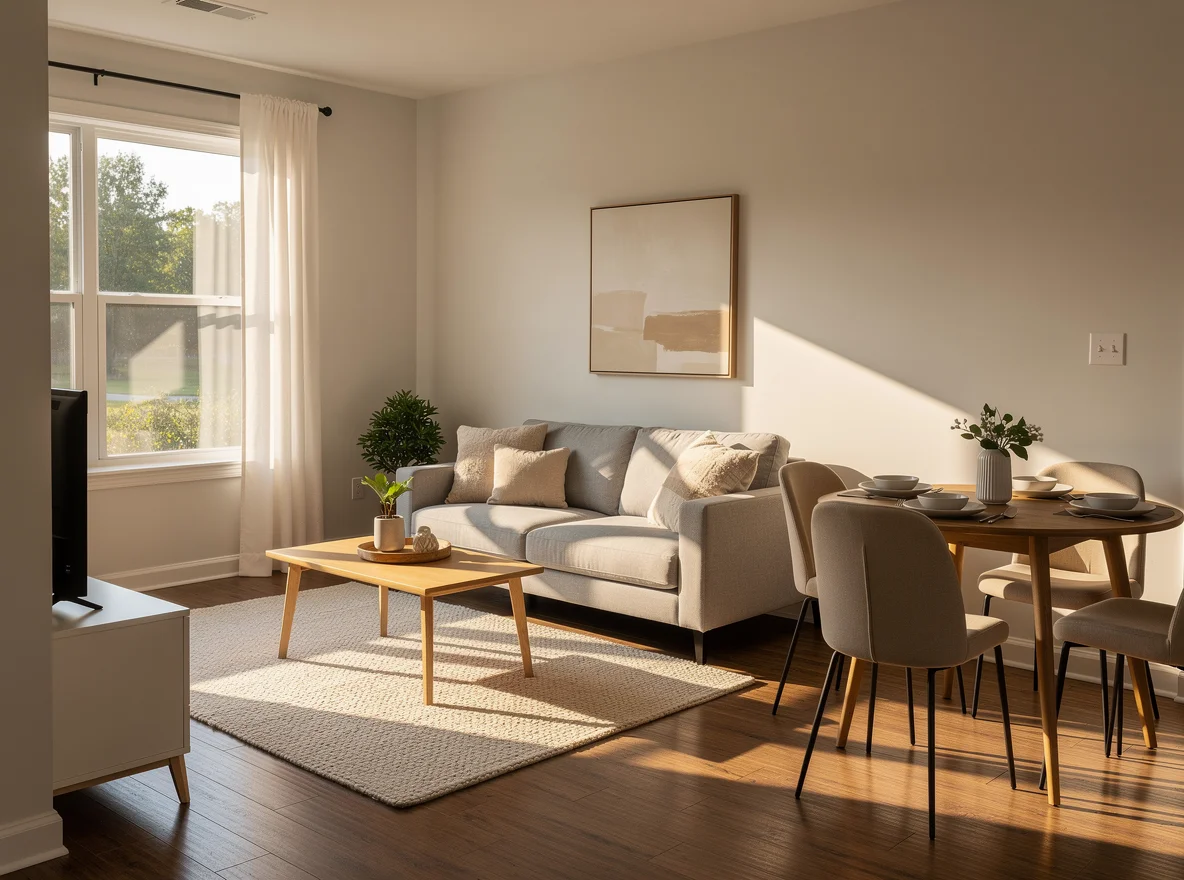
A final mindset shift: don't aim for the "perfect" house—aim for the right first house. The best starter homes leave you breathing room to enjoy your life, not just pay for it. When you buy within your comfort zone, you're more resilient to surprises, more flexible with career changes, and more able to build equity through steady upgrades.
If you want a tailored plan—based on your monthly target, ideal commute, and the neighborhoods that best fit your lifestyle—The Shawn Cleary Team can help you sort the noise from the opportunities. With the right preparation and offer strategy, you can land a North Charleston starter home that feels like a win on move-in day and still looks smart on paper years from now.